 Skip to content

Why Modern Offices Are Borrowing From Hospitality Design
For years, offices were created with one main goal in mind: efficiency. Rows of desks, bright overhead lighting, formal meeting rooms, and rigid layouts became the standard approach to workplace design. The office was somewhere employees had to go, rather than somewhere they genuinely wanted to be.
That mindset is changing rapidly.
Today’s workplaces are being reimagined as spaces that prioritise comfort, experience, and human connection just as much as productivity. Across industries, businesses are moving away from cold corporate environments and embracing offices that feel warmer, more welcoming, and far more people-focused. In many ways, modern workplaces are beginning to take inspiration from hotels, boutique lounges, cafés, and hospitality venues.
It’s not difficult to see why. The way we work has changed, and with it, employee expectations have evolved too. People now want workplaces that support wellbeing, encourage collaboration, and create a genuine sense of belonging. The office is no longer just a place to complete tasks, but has become a destination for connection, creativity, and experience.
The shift is not simply aesthetic, but reflects a deeper understanding of employee wellbeing, workplace culture, and the role of physical spaces in a hybrid working world.
Why the Traditional Office No Longer Works
The pandemic accelerated a conversation that had already started long before remote working became mainstream. Employees were beginning to question whether traditional office environments truly supported how people work best.
After spending time working from home, many professionals became used to having more comfort, flexibility, and control over their surroundings. Returning to offices filled with harsh lighting, limited privacy, and uninspiring layouts suddenly felt outdated.
At the same time, businesses began facing a new challenge: if employees can work effectively from almost anywhere, what makes the office worth the commute?
The answer for many businesses has been simple – experience.
Modern offices now need to offer something employees cannot easily replicate at home. That could mean better opportunities for collaboration, more inspiring surroundings, stronger social interaction, or spaces that actively support wellbeing and creativity.
This is where hospitality-led design has found its place. By borrowing ideas from the hospitality industry, companies are creating workplaces that feel more inviting, flexible, and human-centred.
What Is a Hospitality-Inspired Workspace?
Hospitality-inspired workplaces are shaped around how people feel within a space, not just how many desks can fit into it.
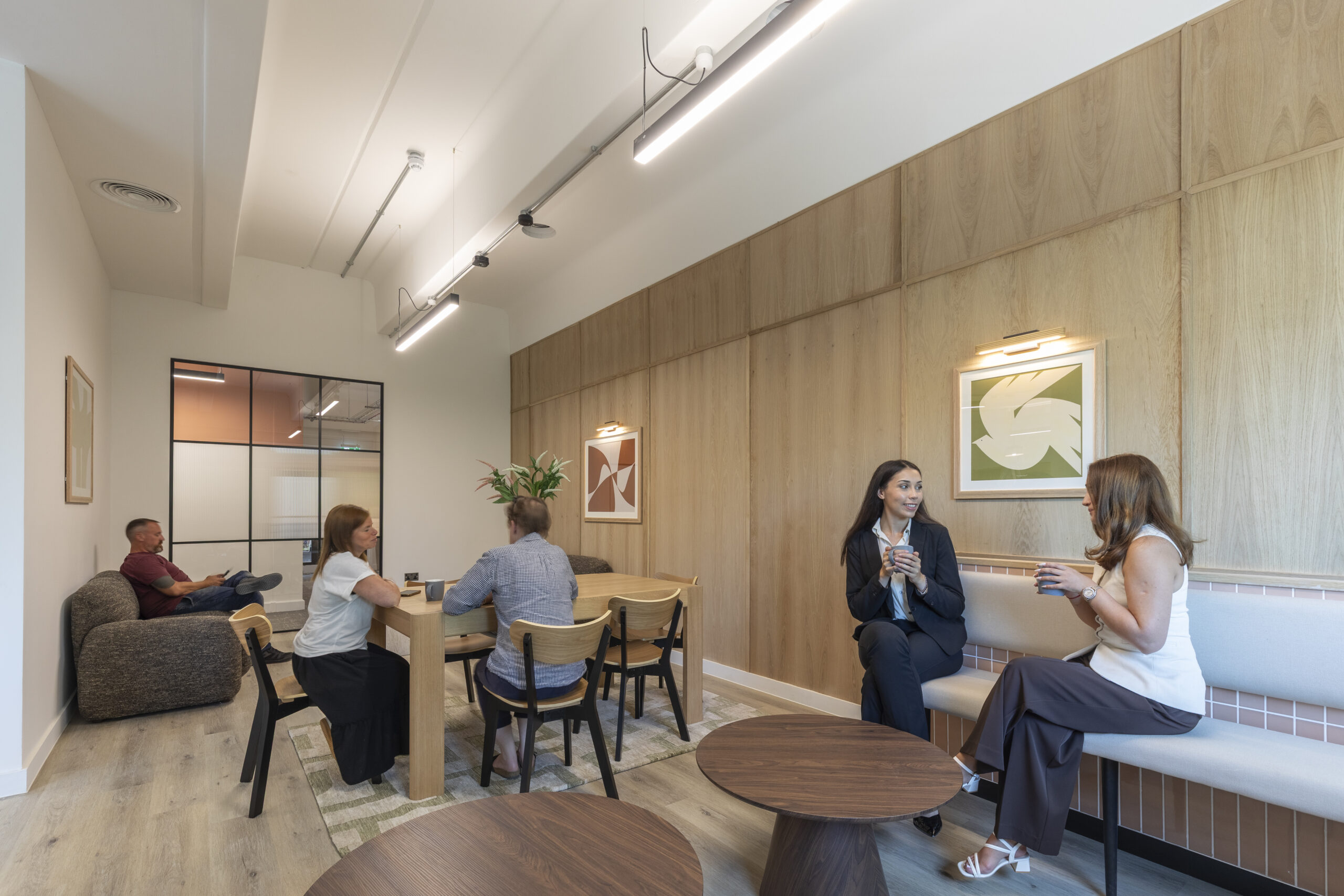
Instead of sterile layouts and uniform furniture, these environments often include comfortable lounge seating, warm lighting, soft textures, greenery, café-style breakout areas, and flexible social spaces. Reception areas are increasingly designed to resemble boutique hotel lobbies rather than formal corporate entrances.
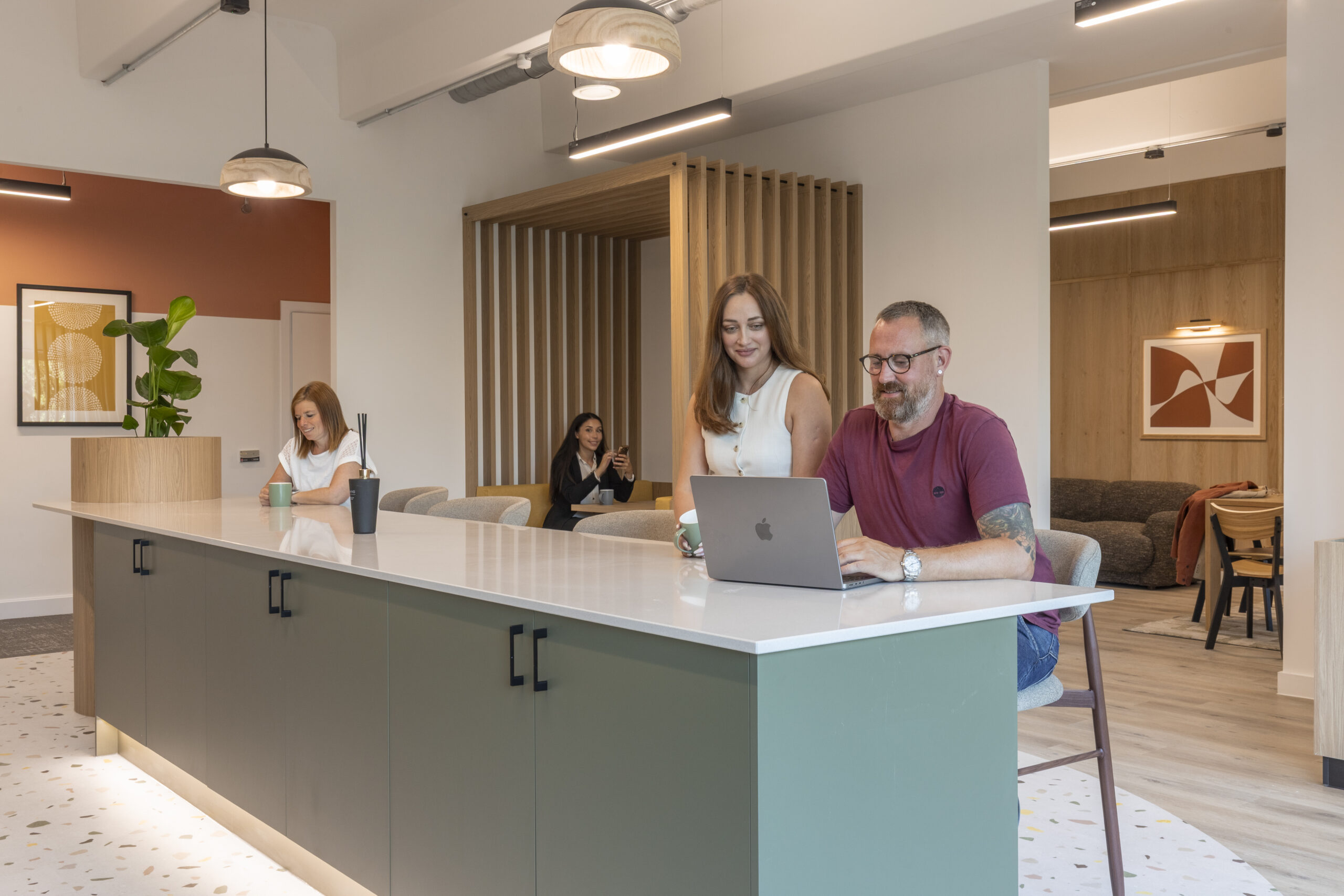
There is also a stronger focus on choice. Employees are no longer expected to sit in the same place all day. Instead, they can move between quiet focus areas, coworking lounges, private offices, wellness spaces, or informal meeting zones, depending on what they need.
The result is a workplace that feels less rigid and far more adaptable to modern working styles.
Importantly, this trend is not about adding luxury for the sake of appearances. The goal is to create environments where people feel comfortable, motivated, and supported throughout the working day.
The Office Is the Destination
One of the biggest shifts in workplace design is the changing role of the office itself.
Before hybrid working became common, the office was often treated as the default location for all work. Today, many employees split their time between home and the workplace, which means the office needs to provide a stronger reason for people to come in.
Increasingly, businesses are realising that people return to the office for things they cannot easily achieve remotely, such as collaboration, spontaneous conversations, social interaction, mentorship, and team culture.
Hospitality-inspired design supports this shift by creating environments that naturally encourage people to connect. Comfortable social spaces, communal dining areas, and informal meeting zones make interaction feel more natural and less forced.
Rather than feeling transactional, the office begins to feel like a shared experience.
This is especially important for younger employees and growing teams who benefit from face-to-face learning, relationship-building, and collaborative energy that can be difficult to recreate virtually.
The Importance of Comfort and Human Connection
One of the defining characteristics of hospitality-inspired workplaces is their emphasis on comfort. Traditional offices often prioritised durability and uniformity. In contrast, hospitality-led spaces are intentionally designed to make people feel relaxed and welcome.
Soft seating, residential-style furniture, layered lighting, acoustic control, and natural materials are all helping create office environments that feel calmer and more welcoming. These details may seem small individually, but together they can have a significant impact on how employees experience a space.
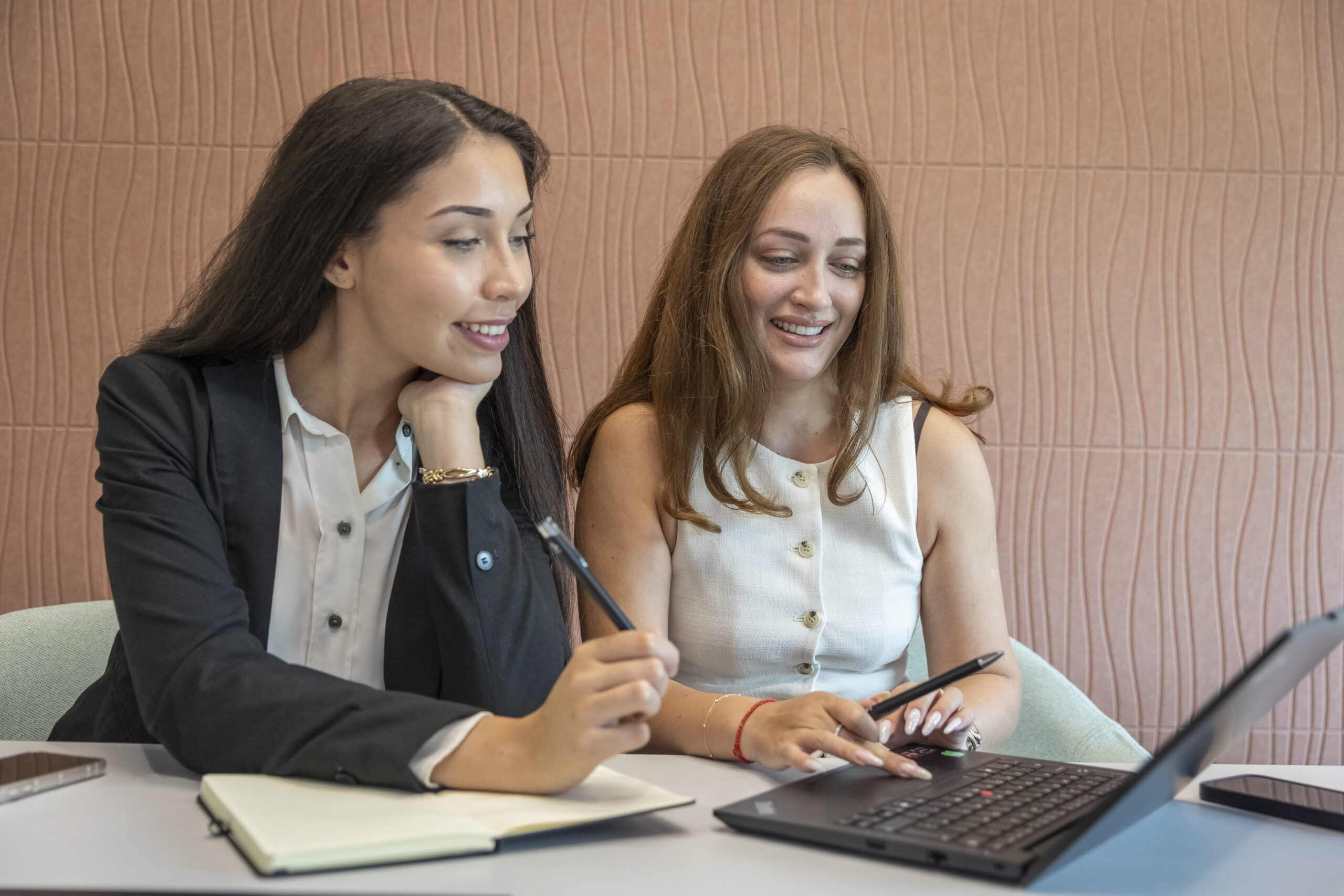
People tend to feel more relaxed and engaged in environments that feel thoughtfully designed. Comfortable spaces can reduce stress, encourage conversation, and improve overall mood throughout the workday.
This emotional connection to the workplace matters more than ever. Employees increasingly want to feel valued by the environments they spend time in, and workplace design plays a major role in shaping that perception.
Another major reason hospitality-inspired workplaces are growing in popularity is the need for flexibility. Employees move between focused tasks, collaborative meetings, video calls, creative sessions, and social interaction throughout the day. A single static desk setup no longer supports every type of work effectively.
Modern workplaces are therefore becoming more adaptable and multi-functional. Employees are encouraged to choose spaces based on the type of work they are doing rather than following rigid seating structures. This flexibility gives people greater autonomy and helps create a more natural working rhythm. It also makes office environments feel far more dynamic and engaging.
In many ways, these workplaces mirror hospitality spaces where people naturally move between different settings depending on their needs and preferences.
Wellbeing Is No Longer an Afterthought
Employee wellbeing has become one of the most influential drivers behind modern workplace design.
Businesses are increasingly recognising that workplace environments directly affect mental health, productivity, engagement, and overall job satisfaction. Poor lighting, constant noise, lack of privacy, and limited access to natural elements can all contribute to stress and fatigue over time.
Hospitality-inspired workplaces aim to address this through more thoughtful, people-first design choices.
The Influence of Hotel and Lifestyle Design
The hospitality industry has always understood how powerful atmosphere can be. Hotels, restaurants, and boutique venues are carefully designed to create emotional experiences that make people feel comfortable, relaxed, and connected to a space.
Workplace designers are increasingly applying the same thinking to office environments.
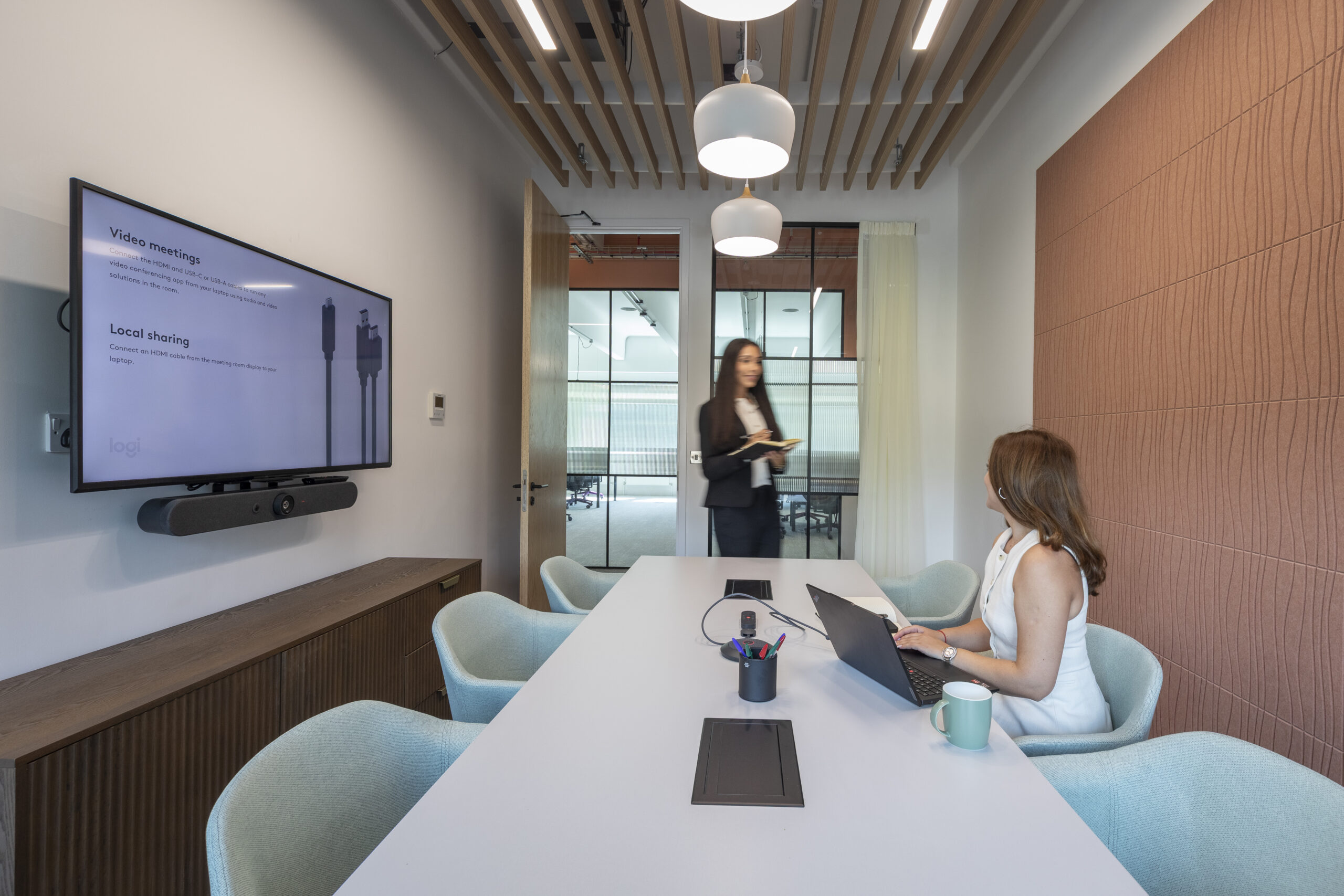
Reception spaces are becoming more welcoming and less formal. Coffee bars and communal kitchens are replacing isolated break rooms. Meeting rooms are being designed with softer materials and more residential aesthetics. Even lighting and scent are being considered more carefully to improve how spaces feel emotionally.
This shift reflects a broader blending of work and lifestyle environments. Employees no longer want workplaces that feel disconnected from the rest of their daily lives. Instead, they expect spaces that feel intuitive, enjoyable, and human-centred.
Of course, successful hospitality-inspired design still needs to support functionality. The best workplaces strike a balance between comfort, practicality, and performance rather than focusing solely on aesthetics.
Technology and the Seamless Workplace Experience
Technology also plays an important role in creating hospitality-style workplace experiences.
Employees increasingly expect offices to function smoothly and intuitively. Booking desks or meeting rooms, accessing office spaces, adjusting room settings, or joining hybrid meetings should feel simple and seamless.
Smart workplace technology helps remove friction from the employee experience. Touchless entry systems, room booking platforms, integrated collaboration tools, and workplace apps all contribute to making offices easier and more enjoyable to navigate.
At the same time, hybrid collaboration technology has become essential. Offices now need to support both in-person and remote employees equally, ensuring meetings and teamwork remain inclusive regardless of location.
When technology is integrated thoughtfully, it enhances the workplace experience without becoming overwhelming or distracting.
Creating Offices Employees Want to Return To
One of the biggest challenges businesses face today is encouraging employees back into physical office spaces. Employees increasingly evaluate whether an office provides meaningful value compared to remote work. Hospitality-inspired design helps answer that challenge by transforming the office into a place people actively want to visit.
Balancing Hospitality with Functionality
At its core, the rise of hospitality-inspired workplaces reflects a larger cultural shift in how businesses think about people, productivity, and workplace experience.
Employees today want environments that support focus, creativity, wellbeing and connection. They want workplaces that feel welcoming rather than purely functional.
Businesses that invest in these experiences often see benefits that go far beyond aesthetics. Thoughtfully designed workplaces can help strengthen company culture, improve employee satisfaction, support retention, and encourage stronger collaboration.
In competitive industries, workplace experience is also becoming an increasingly important part of employer branding. The physical environment now says a great deal about how an organisation values its people.
At Adapt, our members have different preferences, sensitivities, and working styles, and we look to accommodate them all. While some may thrive in social environments, others require quiet focus areas or sensory-sensitive spaces, which are achieved in our overall layout and design.
The Future of Workplace Design
Hospitality-inspired design reflects a much deeper shift toward creating offices that are more adaptable, experience-led, and human-centred.
As hybrid work continues to evolve, workplaces will likely become even more focused on flexibility, wellbeing, and community. Offices will continue moving away from rigid corporate models and toward environments that feel more intuitive, welcoming, and emotionally engaging.
At Adapt, this presents an exciting opportunity to rethink what the workplace can be. By blending strategic workplace thinking with hospitality-inspired design principles, we have created spaces that not only support performance but genuinely improve how our members experience work.
The most successful workplaces of the future will feel thoughtfully designed around the people who use them every day; spaces that encourage collaboration, support wellbeing, and make employees want to walk through the door each morning.